
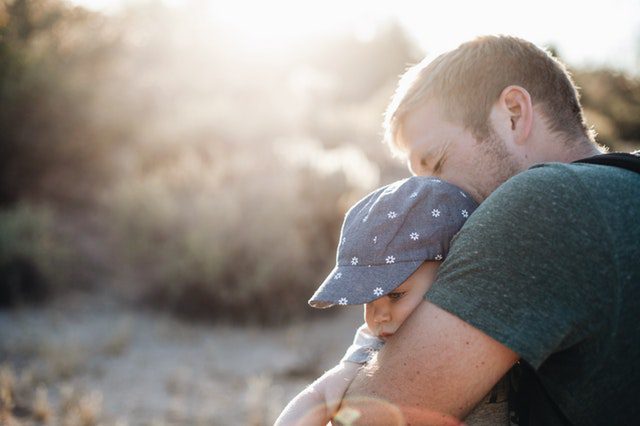
As parents, witnessing our little ones grapple with separation anxiety can be heart-wrenching. Seeing their tiny faces crumple into tears and experiencing their clingy hugs as we attempt to say our goodbyes is an understandably challenging phase.
But remember, you’re not alone – separation anxiety in children is common.
Unpacking the Causes of Separation Anxiety
According to Stanford Medicine, separation anxiety is when a child excessively worries about being apart from family members. Nearly all children between 18 months and three years old have separation issues and can be clingy. However, symptoms of separation anxiety are significantly more severe and can last for at least four weeks.
Understanding the causes and symptoms of separation anxiety is the first step to managing it effectively. This awareness provides us with insight into what our little ones are experiencing and equips us to support them during this phase better.
How to Cope with Separation Anxiety: Strategies for Success
While it may be challenging, knowing how to cope with separation anxiety is achievable with several strategic measures. Here, we will delve into different strategies that can be implemented to manage separation anxiety in children effectively.
Strategy 1: Establishing Predictable Routines
One powerful strategy is establishing a predictable routine. Children thrive on predictability, and maintaining consistent morning and bedtime rituals can foster a sense of security and comfort.
Strategy 2: Utilising Comfort Objects
Another effective strategy is the introduction of comfort objects. A small photo, a special charm, or a soft toy tucked away in their backpack can serve as a touchstone of home, helping to mitigate feelings of anxiety. Furthermore, a well-timed, reassuring note in your child’s water bottle can provide an additional midday comfort boost.
Strategy 3: Harnessing Positive Reinforcement and Goodbye Rituals
Positive reinforcement, such as a special goodbye ritual, can also make parting easier for your child. A unique handshake, wave, or a combination of hug, kiss, high five, and goodbye can turn a potentially upsetting moment into an empowering one.
Remember to acknowledge your child’s feelings and normalise their concerns by showing empathy. Model positive body language and attitude during your goodbye so they know there is nothing to be afraid of!